When one bites into a good pizza, there is so much history in that bite
Bread has been a staple in what we know as Italy since ancient times. The Flat bread in the Mediterranean region was cooked on hot stones, on shields by soldiers, and seasoned with a few herbs and olive oil, cheese and even fruits and nuts.
"...there is no earlier evidence than third century Macedonia for the use of a flat loaf of bread as a plate for meat, a function which bread continued to perform in the pide of Turkey, the pita of Greece and Bulgaria, the pizza of southern Italy and the trencher of medieval Europe. Although meat and other relishes were seen earlier in Greece as accompaniments to cereal, the cereal had taken other forms."
--- Siren Feasts: A History of Food and Gastronomy in Greece , Andrew Dalby [Routledge:London] 1996 (p. 157)
Brick ovens were developed and one could bake larger loaves of bread, and flat bread worked even better in these ovens.
About the "Word" Pizza;
the word pizza itself was used as early as the year 997 AD in Gaeta, a port between Naples and Rome
"The term pizza is clouded in some ambiguity, though it may derive from an Old Italian word meaning a point, which in turn led to the Italian word pizzicare, to pinch or pluck. The word shows up for the first time in print as a Neapolitan dialect word--piza or picea--about 1000 A.D., possibly referring to the manner in which something is plucked from a hot oven...While many Mediterranean cultures and regions of Italy have long had their versions of flatbreads...the baked flatbread most people now think of as pizza originated in Naples, and was a favorite snack of occupying Spanish soldiers at the Taverna Cerriglio in the 17th century. The soft, baked crispy dough that the Neapolitans called sfiziosa would be folded over into a libretto (little book) and consumed in the hand. It was baked by men called pizzaioli, who worked in small shops called laboratori. By the middle of the 19th century the word pizza had become common parlance for the food item..."
--- Dictionary of Italian Food and Drink , John Mariani [Broadway Books:New York] 1998 (p. 196-199) )
So Why Naples , Italy ?
What makes Naples style pizza so good?
The slight char and smoky flavor is one of the characteristics of a good Naples pizza, a thin but chewy crust, from using good hard winter wheat flour.
Using Great ingredients, but NOT TOO MUCH, that will weigh down the crust so it can't cook properly.
Why is it considered the birth place of modern pizza
The wood fired oven was a common part of every neighborhood, where all the bread was baked and people would gather and socialize there as well. Pizza became a good snack to share as their bread was baked and they solved the world's problems.
As you will see below, in time, pizza became an icon to this city much the same way the “Cheese Heads” see their cheese in Wisconsin .
It is said that there are over 1000 wood fired ovens now cooking pizza in Naples and they all stay very busy.
Naples was a major port also with commerce and traders from many countries.
The Climate in Southern Italy was perfect for growing tomatoes for pizza sauce.
Pompei, Italy
In the Naples area they soon found that the lava rock from Mt. Vesuvius worked even better than bricks. They held more heat without cracking and gave the bread an even better texture with this hot oven.
In the 1500's Columbus brought back the tomato from South America, In Southern Italy around Naples, the climate was perfect for tomatoes, however it was grown only as an ornamental plant at first as they were rumors that it was poisonous.
The poor peasants in Naples tried them anyway, and soon found that it made an exceptional spread that
“jazzed up” their pizza. To this day the tomatoes nearby in San Marzano are the standard for good pizza sauce.
The Best Cheese for Naples Pizza
The Longobards, a Germanic Tribe that invaded Italy in the 1st century A.D. brought with them the Indian Water Buffalo that made the most wonderful cheese with its milk. They called it Mozzarella di bufla, it was a superior cheese and became the standard. The Water buffalo became domesticated around Campagnia near Naples .
The name longobard was shortened to Lombard . The first pizza place in the United States is named after the owner Lombardi who was an immigrant from Italy , and still in existence today
The Best Flour for Pizza
The hard Winter Durum wheat grown in Italy , makes the superior crust , It gives a good chewy texture, but still crisp.
Naples Pizzeria's use almost exclusively Caputo brand flour grown in Italy .
Semolina is the Durum wheat that is ground coarse. In fact it is the same thing as “Cream of Wheat” but the Durum wheat has an amber color to it. It is used in pasta and pizza dough because it gives a coarse texture that picks up the sauce better. It also tempers the chewiness of the crust, as in the seeming oxy moron, al dente, “tender yet firm to the bite”
The birth of Pizza Margherita
Pizza goes from snack to Stardom
All these things came together around Naples , and pizza became a tradition and a part of their everyday lives, Pizzaiuolos (PIZZ-a-olos) were very proud of their craft and considered artists. Word got around that pizza in the Naples area was exceptional.
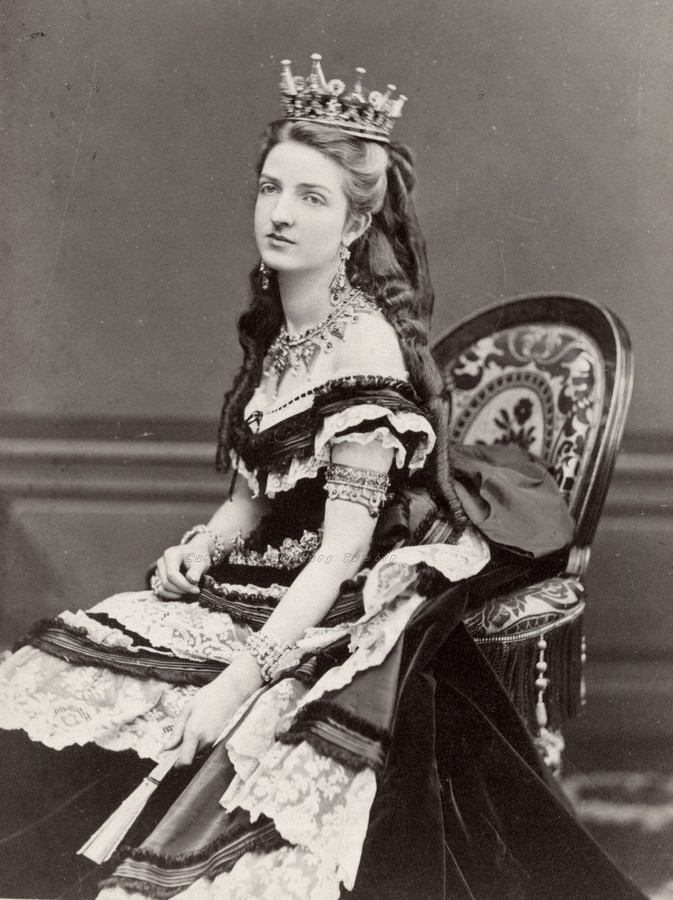
Queen Margherita of Savoia caught wind of this special pizza from the painters and work people from Naples that were allowed in the royal yard, and became curious.
She had some delivered and loved them. Especially one that had the colors of the new Flag of Italy, red (tomato) Green (basil) and white (mozzarella). This pizza was named by Raphelle Esposito Pizza Margherita and after that this simple food became an icon amongst the people of Naples .
Associazione Verace Pizza Napoletana
An association was set up to certify true Naples style pizza. It is extremely specific, the purpose being to preserve the 300 year old tradition. In this day and age of Dominoes and frozen pizza it is important. The recipe has not changed for 3 centuries now.
A Pizzaiuolo (the pizza artist) took years to train properly, He was seen as an artist and also one to preserve the traditions and heritage.
Brandi's is said to be the oldest pizzeria in Naples This restaurant has been in operation since 1780 and is still going.
The propieter and head Pizzaiuolo, Raphelle Esposito, ( Probably the world's most famous pizza maker) and his wife, Giovanna Brandi, in 1889 were invited to visit king Umberto I and Queen Margherita of Savoy on their visit to Naples . On their donkey drawn cart they went, taking 3 pizzas. One of them was with fresh tomato, mozzarella, and fresh basil and the queen especially liked this one, and also it looked like the new flag of Italy . So Raffaele named the pizza in her honor, and to this day it is called Pizza Margherita.
For more information on this restaurant and their website go here
Pizza was imported to the United States by Italian immigrants. For many years, pizza was mostly available in cities with large Neapolitan populations [New York, Boston, New Haven, Philadelphia, Baltimore etc.]. It wasn't until American soldiers returned from WWII that pizza became a national phenomenon.
Lombardi's is considered by most to be the first pizza in the United States. it remains today although it was closed for some time, it reopened in 1994 Lombardi's Pizza
considered by many to be the best pizza in New York City.
Pizza Only Became Popular in the US after WWII
"Pizza came to America at the end of the nineteenth century with immigrants from southern Italy. Italian immigrants built commercial bakeries and backyard ovens to produce bread they had eaten in Italy. In addition, Italian bakers used their ovens for flatbreads: northern Italians baked focaccia, while southern Italians made pizza. Initially, pizza was made by Italians for Italians, but thy the late 1930s after the Great Depression many Americans were eating pizza in Italian restaurants and pizzerias on the East and West Coasts...Over time, two basic and distinct styles of American pizza appeared. A thin-crust pizza, commonly called "East Coast" or "New York" style, is made with just a few toppings like pizza made in Naples.