You wouldn't think this would work
but it is Wunderbar!
Late summer has a way of bringing old memories and new discoveries together.
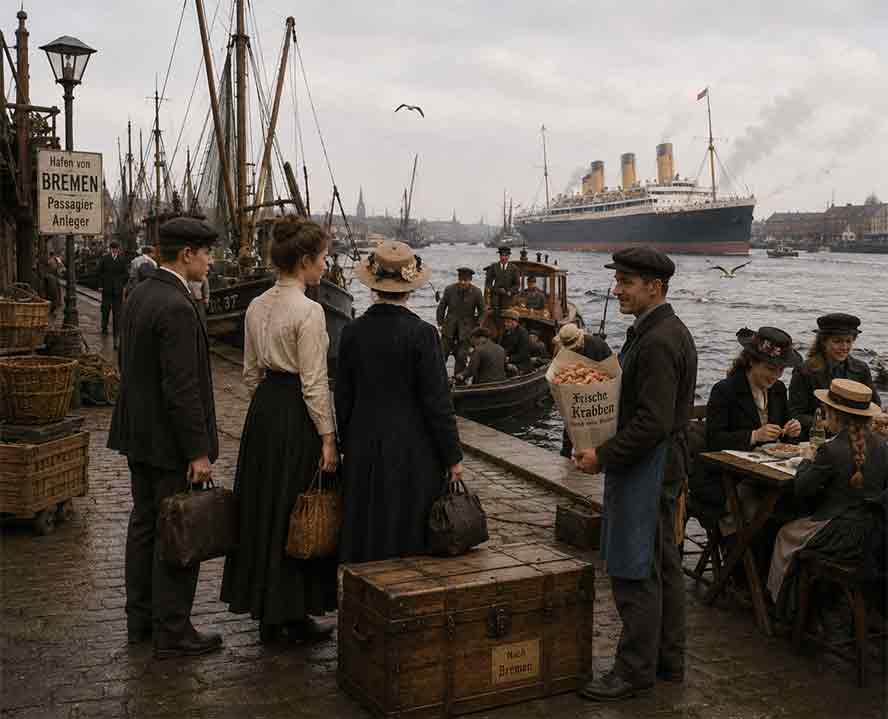
In this edition of German Goodies, we travel north to the German North Sea, where tiny Nordseekrabben have been part of coastal life for generations—something my grandmother likely saw while she waited to say goodbye to Germany and begin her journey to America.
Learning about these little shrimps(Krabben) brought back memories of my grandmother's shrimp salad, and suddenly this journey north became personal. From the fishing town of Büsum to the mysterious Halligen and the lost island of Rungholt, there is a fascinating world along this coast where the sea is never far away—and sometimes, it seems, the sea takes things back.
We'll discover Büsumer Krabbensalat, look at the rustic Halligbrot, and wander for a moment through the history and mysteries of this remarkable corner of Germany.
Then we'll come back to late summer at home, where another German classic is waiting for us: plums.
I have taken the familiar flavors of Plum Kuchen and given them a little twist, turning it into a rustic Kuchen-Pizza, inspired by the thin style of Flammkuchen. You can make it in the oven or take it outside and cook it right on the grill.
So grab a cup of coffee—or perhaps a cold beer—and come along.
There is a little North Sea, a little family history, and a whole lot of late-summer Germany packed into this edition.
From Germany, With Love
My Grandmother's Great Journey
Leaving Steinsfurt
In 1904, my grandmother was not quite fifteen years old when she left her home in Steinsfurt, Germany, with her sister Sophie and brother Henry to make the long journey to America.
Several of her older sisters had already gone ahead and found work there, and their letters home told of a place where there were jobs for anyone willing to work and the promise of a brighter future.
America sounded exciting, but leaving Steinsfurt meant leaving behind her family, her neighbors, and the familiar life she had always known.
The Farewell
The night before they left, the family held a big farewell party. Relatives, neighbors, friends, and even the schoolteacher came to say goodbye. There were speeches and songs, and my grandmother remembered crying when they sang the old German farewell song “Muss i denn, muss i denn zum Städele hinaus.” Her sister Lisette gave her a little Vergissmeinnicht—forget-me-not—book, signed by their friends, a keepsake she carried with her into a new life. Afterwards, everyone gathered at the local saloon. The owner had baked a cake for the occasion; the women and girls drank coffee while the men drank beer. It was a sad goodbye, but for three young people about to cross the Atlantic, it was exciting too.
As much as we loved our life in Germany, there didn’t seem to be as bright a future for us there as we had heard there would be in America. Friends who had gone ahead had found jobs and were doing well. There seemed to be plenty of work for anyone willing to work.
So the older sisters began leaving first. Susie went to Ohio, where she married a farmer with a large peach orchard. Louise and Carrie came to Portland and found work as domestic servants. They worked, saved money, and eventually helped more of the family make the journey to America.
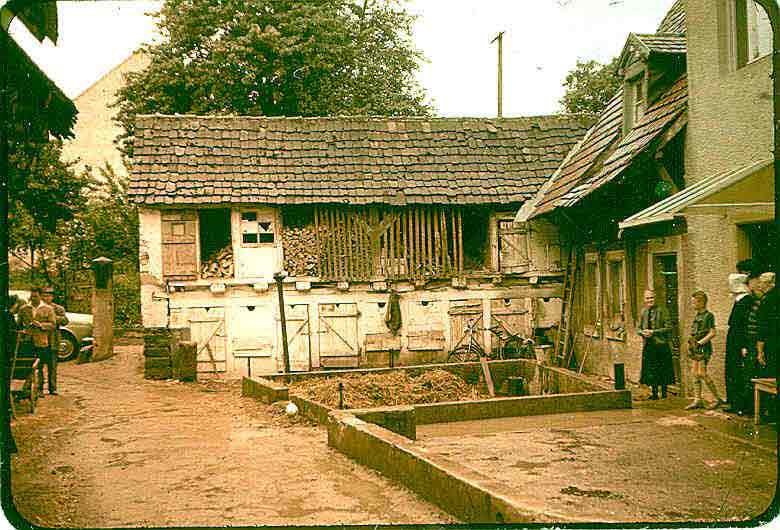
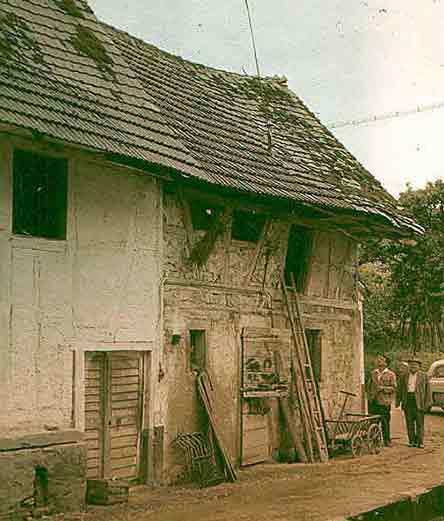
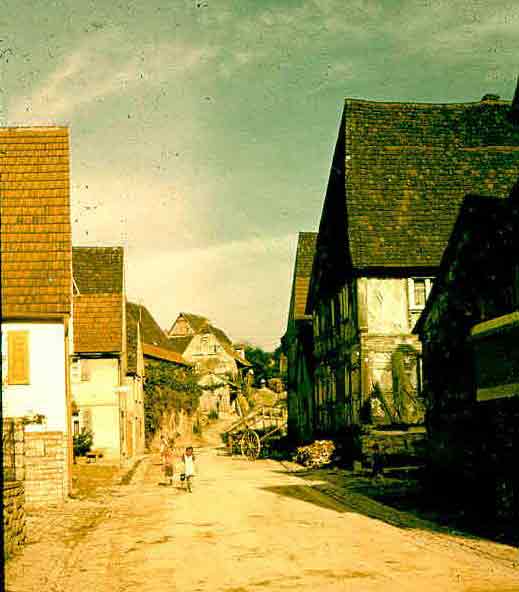
Street scene of Steinsfurt my parents took 1950's
Leaving Steinsfurt
In 1904, it was time for Emma, Sophie, and Heinrich to make the journey. Sophie was nineteen, Heinrich eighteen, and Emma was not quite fifteen.
The morning they left, the family and their neighbors came to the depot to see them off. They boarded the train here in Steinsfurt and began the long journey north to Bremen. None of them had ever traveled so far from home.
Steinsfurt Bahnhof The railway station where my grandmother Emma and her brother Heinrich and sister Sophie began their journey to America in 1904.
Bremen — The Ship Awaited
The next morning, we left on the train, and everyone came to the depot to see us off. It was a long train ride – clear up north to Bremen, and none of us had ever been so far from home before. We had to stay in Bremen for a couple of nights, because the steamer wasn’t ready. And when it did come in, it couldn’t reach the port because the channel wasn’t deep enough.
So, a smaller boat took us out to where the big ship was anchored. Until now, it had been hard to believe that we were actually leaving our old life behind, and that we might never see Germany again.
We watched the busy harbor around us—fishermen bringing in their catch, people sorting and pulen the little Nordsee-Krabben—shelling the tiny North Sea shrimp by hand., boats moving back and forth, and passengers gathering with their belongings. Everything was unfamiliar and exciting.
Somewhere beyond the harbor was the new life we had heard so much about in America. We had left our home in Steinsfurt, traveled all the way north to Bremen, and now there was nothing left to do but climb into the little boat that would carry us out to the steamer.
Germany was behind us. America was ahead.
Little did I know then that the shallow waters of the North Sea held another connection to Germany's past.
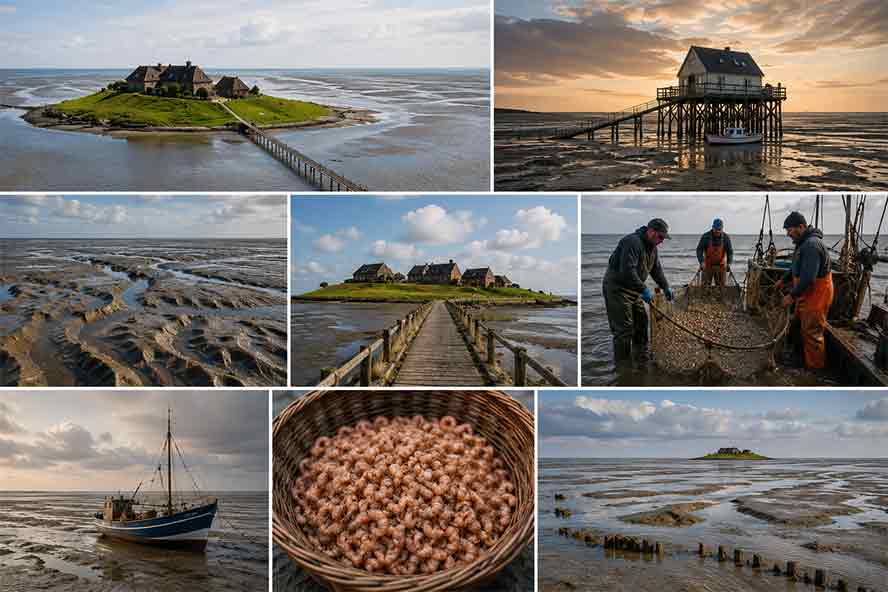
Twice a day, the tide retreats, revealing enormous muddy flats where the tiny Nordseekrabben live.
know it is only deep enough to wade in and twice a day become a muddy flat
when the tide goes out. In these mudflats live the Nordsee Krabben ( North See shrimp)
live.
The Unique German Shrimp
Called Krabben
(What...Shrimp are called Krab?)
There is something almost romantic about the North Sea. The Nordsee has been both a provider and a formidable neighbor to the people who have lived along Germany's northern coast. For generations, fishermen have gone out into its cold, often unforgiving waters, working the mudflats and shallow coastal waters for their catch.
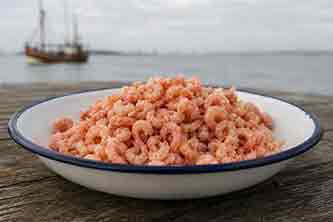
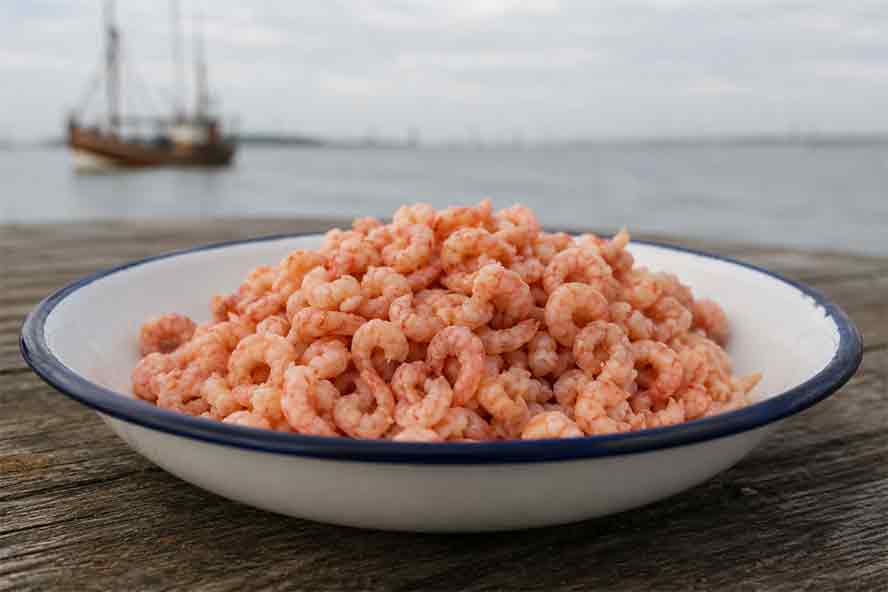
Among the treasures they bring home are the tiny brown shrimp Germans call Krabben. They may be small, but they have a remarkable flavor—briny, sweet, and distinctly of the North Sea. And there is an interesting story behind them, because although Germans call them Krabben, they aren't crabs at all. They are Nordseegarnelen—North Sea shrimp.
These little shrimp have been part of the food culture of the North Sea coast for generations. They are caught in special nets that scrape along the sandy and muddy bottom, and traditionally they are cooked almost immediately after being brought aboard. Then comes the labor-intensive part: pulen, peeling the tiny shrimp from their shells by hand.
If you ever find yourself in northern Germany, look for Nordseekrabben on a menu. Order them. Whether they're piled onto dark rye, folded into a salad, or served in a traditional Krabbenbrötchen, you're tasting a little piece of the North Sea.
Now let's look at some Noordsee Shrimp Salad
Let's look at more about Krabben (shrimp) fishing in the Noordsee (North Sea).
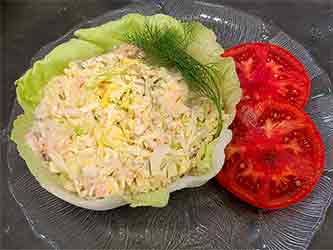
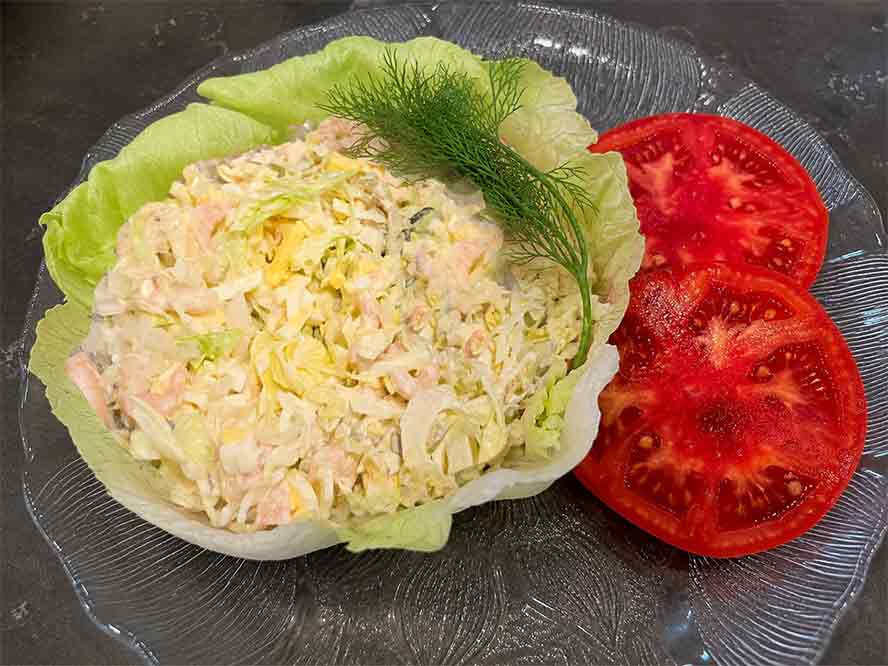
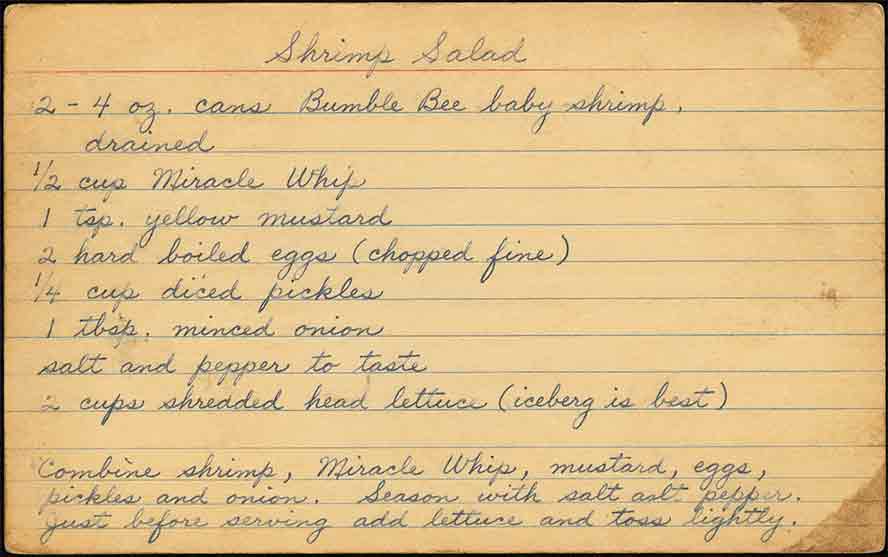
Don't flip out about the miracle whip, you can use mayonnaise, and even better a deli style
creme like I like to use. Back when my grandma was cooking, Miracle Whip was a better choice and actually tasted better. I know because I met the head chef for Kraft foods.
So this recipe is very similar to most German Krabbensalat,
only she put shredded lettuce in it. The whole idea of putting shredded Iceburg
lettuce into a tuna or chicken salad sounds insane,
however it works really well with a shrimp salad where it doesn't make a thick spread.
The lettuce cuts through the
thick mayo or salad dressing, and clings to the
extra dressing, helping the keep the bread from getting soggy.
You can always adjust the recipe down a bit for my grandma's shrimp salad
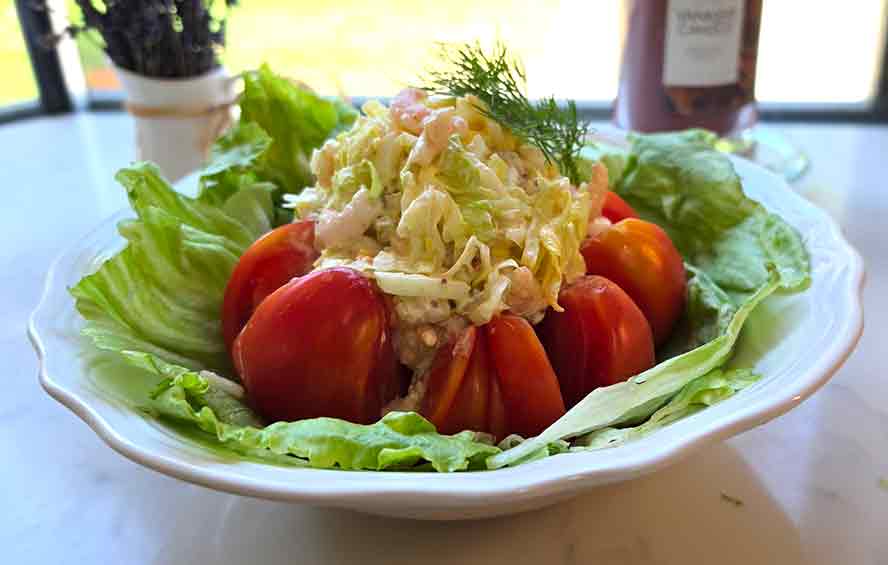
Shrimp Stuffed Tomato
Since tomatoes are coming on now, a great idea is to cut a tomato into
wedges but don't go all the way down. Keep it in tact, then just press
down to make a flower and then put a scoop of shrimp salad in the center.
Halligbrot, Classic and
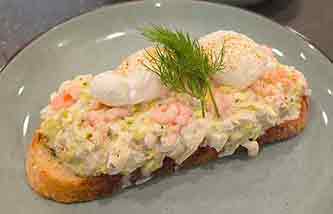
California Style (Shrimp Avocado Toast, with a
Poached Eggs
A German American Creation)
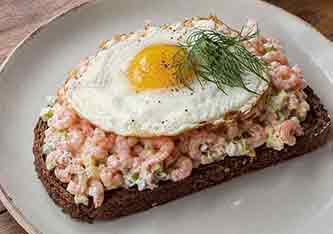
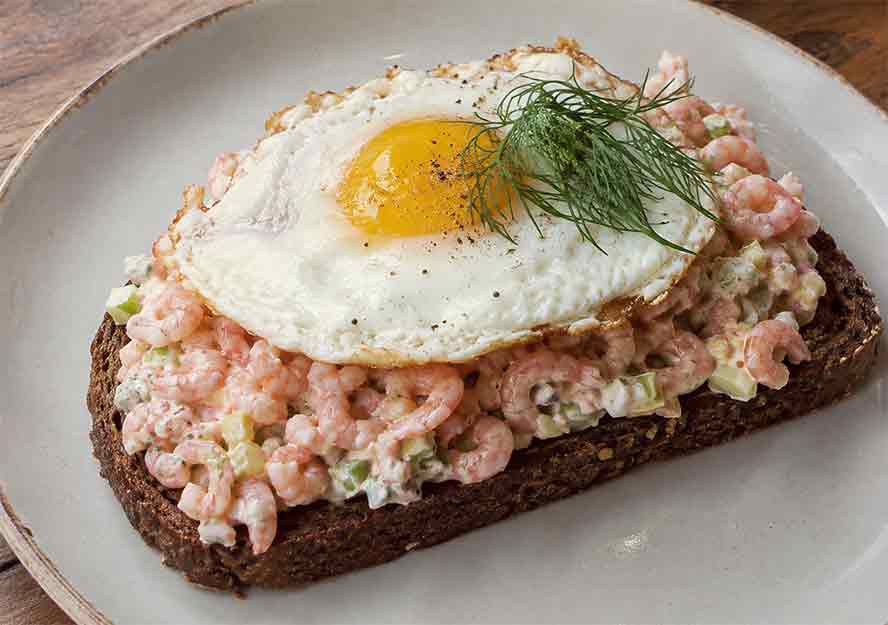
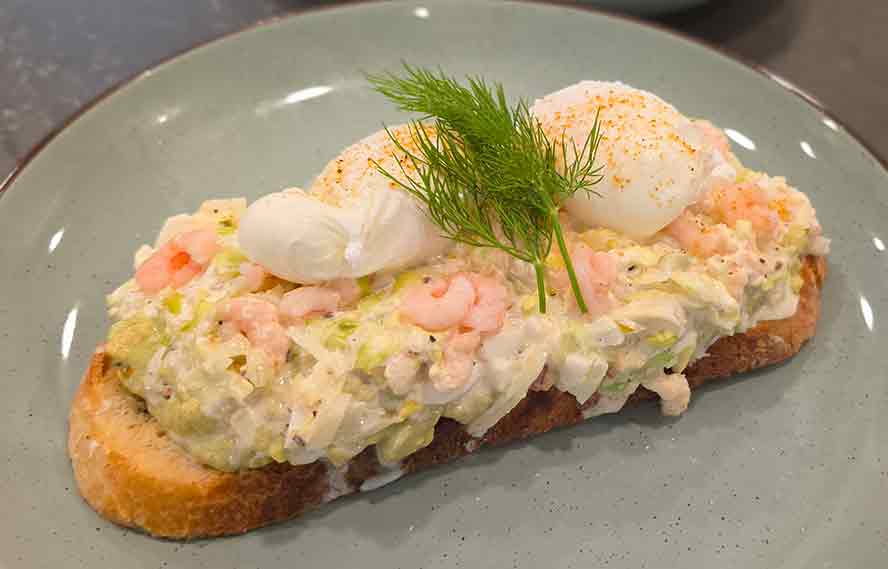
The Halligen in Germany are little islands of the coast of Germany in the North Sea. They are famous for having a dish called Halligbrot. A slice of Dark Rye, lots of Noordsea Krabben and a fried sunnyside egg on top, that acts as the sauce.
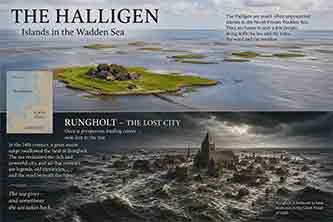
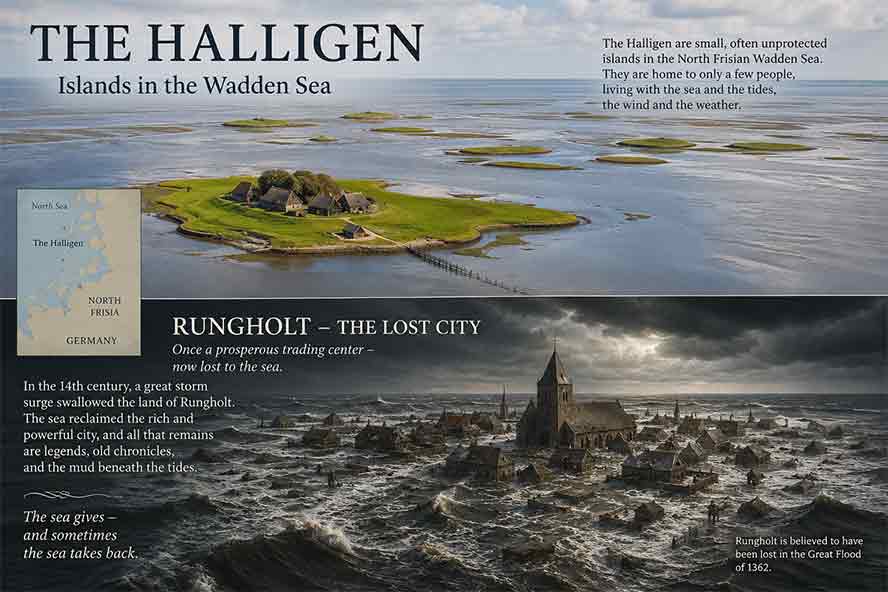
The Halligen — Life Between Land and Sea
Out in the North Sea, along Germany's northern coast, are a group of tiny islands called the Halligen. It is a strange and remarkable place to live. Twice a day, the tide comes and goes. The sea can cover much of the surrounding land, and when the water retreats, it leaves behind miles of glistening mudflats—soft, wet ground where your shoes can disappear into the mud.
For generations, fishermen and their families have made their lives here, living by the rhythm of the tides and knowing that the sea is always in charge. When it is calm, it provides. When it becomes angry, these little islands are remarkably vulnerable. Yet the people who live here have learned to live with it. They are resilient, practical people, deeply connected to the sea and to this unusual place they call home.
And from these cold North Sea waters comes one of Germany's great little treasures—the Nordseekrabben, tiny brown shrimp prized for their sweet, delicate flavor. For generations, these fishermen have brought them home from the sea, and they have become an important part of the food and culture of Germany's North Sea coast.
Let's kick it up with a little avocado toast infusion,
Halligbrot California Style
I took their famous Halligbrot
and put a little of the fresh Avocado and tomato in it, and
we like a poached egg a bit better.
We just like a poached egg more than a sunnyside up egg for some reason.
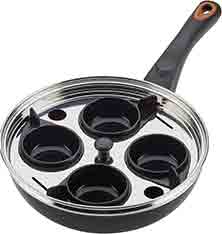
If you don't feel like fooling with swirling the boiling water, then this pan
is a really nice option.
This egg poacher takes the guesswork out of making perfectly cooked eggs. With four individual cups, it allows you to poach multiple eggs at once while keeping their shape clean and uniform—ideal for a Benedict-style brunch. The nonstick surface helps the eggs release easily, and the lid holds in heat for gentle, even cooking. It’s a simple tool that makes a noticeable difference, especially when you want consistent results without the fuss.
They are little pieces of land scattered across the Wadden Sea, surrounded by mudflats, tides and an enormous horizon. The landscape seems almost timeless.
But beneath those waters is another landscape.
Six hundred years ago, people lived here. They built their homes on raised mounds called Warften, dug wells to collect fresh water, cultivated fields and pastures, and connected their settlements with ditches.
One of those places was Rungholt.
Today, when the tide retreats, pieces of that lost world sometimes emerge from beneath the mud and sand. Researchers have found wells made from turf and clay, pottery, animal bones, pieces of leather shoes, house remains and even parts of the old drainage system.
And there is something almost haunting about the way the discoveries happen.
The researchers have only a short time to explore. As the tide returns, the boat begins to float again and the Wadden Sea slowly covers the old landscape.
The same sea that took Rungholt keeps its secrets.
Then, twelve hours later, it may reveal a little more.
The area of Hallig in Germany are little islands of the coast of Germany in the North Sea. They are famous for having a dish called Halligbrot. A slice of Dark Rye, lots of Noordsea Krabben and a fried sunnyside egg on top, that acts as the sauce.
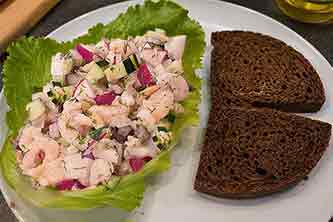
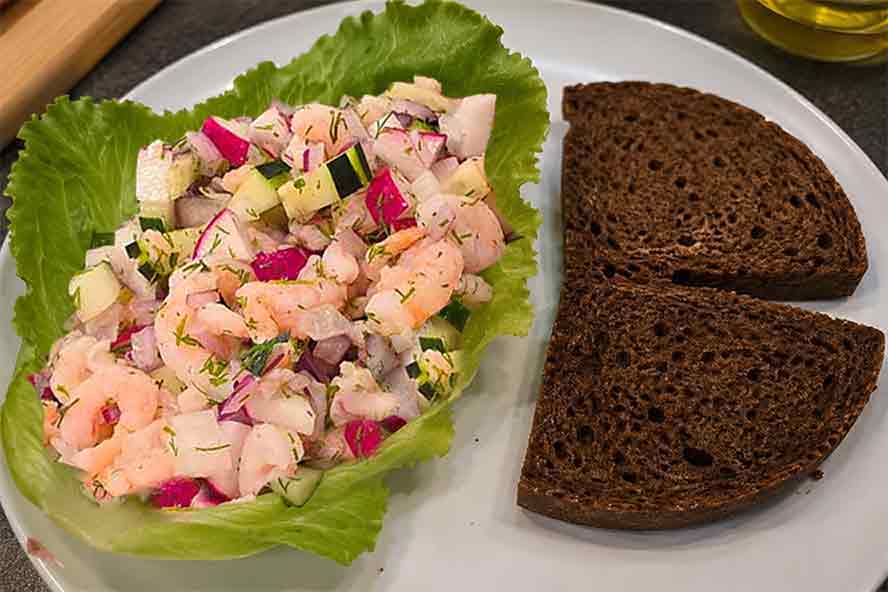
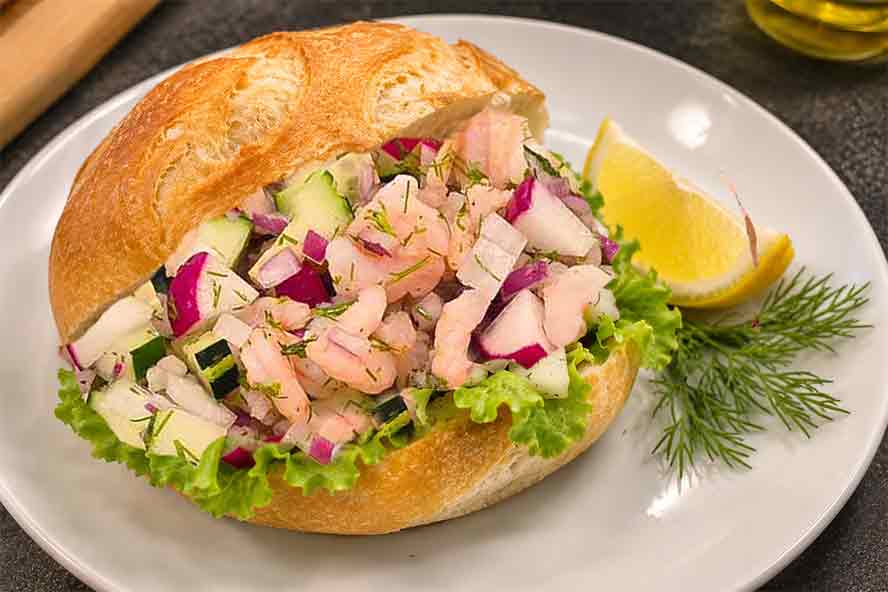
Büsumer Style Krabbensalat
(North Sea Shrimp Salad inspired by the Sea Port Büsum)
This is a nice clean salad with fresh cucumber and radish, as the major players
with the shrimp, and onion, dill and a citrus dressing to bring out the flavors.
This
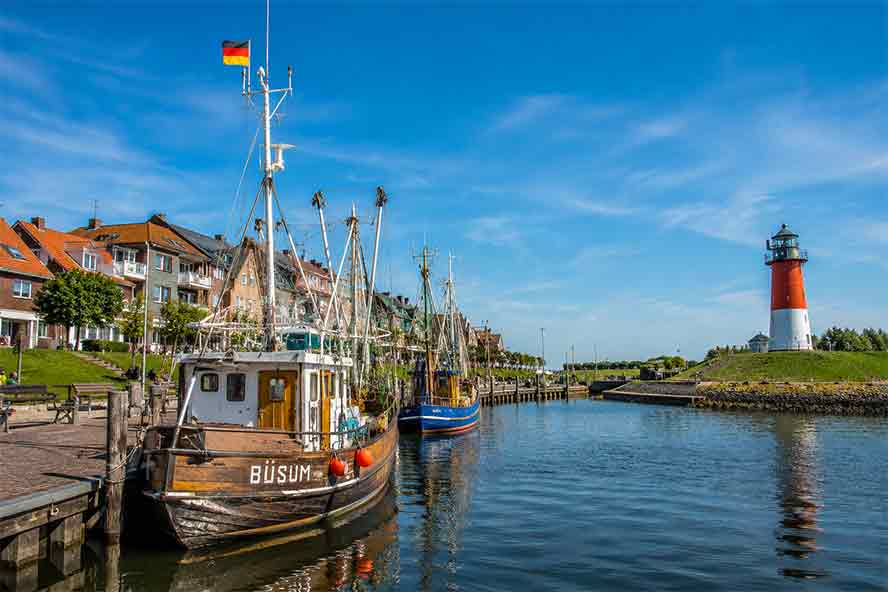
The background of this dish is that Büsum is a small fishing town on Germany's North Sea coast, with a fishing tradition that goes back centuries. By the 1600s, shrimp fishing was already part of life here.
Büsum lies on the North Sea coast of Schleswig-Holstein, north of Hamburg and not far from the great ports from which German emigrants sailed for America.
Life here has always been tied to the sea. Storm surges and floods have repeatedly changed the coastline, and generations of people have built dikes and reclaimed land to keep the North Sea at bay.
The fishing boats you see in the harbor are Krabbenkutter—shrimp cutters that work the shallow waters and mudflats of the Wadden Sea, bringing home the tiny brown shrimp Germans call Krabben.
I love the story of this area and honor them with sharing their traditional salad
with you that comes probably from many of our distant relatives.
A Büsum Style Krabbensalat Broetchen makes a great lunch!
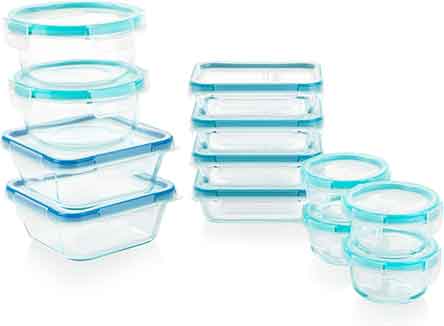
12 piece , 1,2 and 4 cup
Snapware Total Solution Glass Storage Containers are the kind of practical kitchen containers that somehow become part of every picnic, potluck, and leftovers night.
The glass dishes keep salads, stuffed celery, and picnic foods tasting fresh, while the locking lids travel well in a cooler without leaks or spills. I especially like these for Ausflug-style picnic food because they stack neatly, clean up easily, and look good enough to go straight from the refrigerator to the picnic blanket.
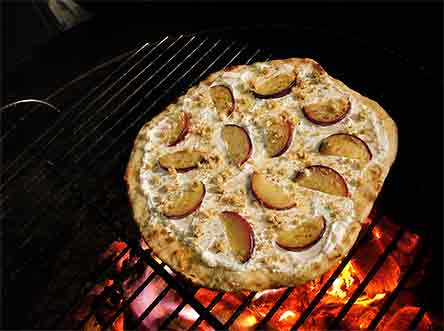
Late summer is when plums are at their best, and this is one of my favorite ways to enjoy them. Take the familiar flavors of Plum Kuchen and give them a little German-American twist: instead of baking it as a traditional cake, make it more like a Flammkuchen—thin, rustic, creamy, fruity, and finished with just a little streusel.
You can bake it in a hot oven, where the edges puff and brown beautifully,...
or take it outside and cook it right on the grill. There is something especially good about a plum kuchen cooked over a fire on a warm late-summer evening.
It doesn't have to be perfectly round or perfectly arranged. In fact, I like it better when it looks homemade—the plums scattered across the creamy base, a little streusel here and there, and those irregular browned edges from the oven or grill.
It's a classic German kuchen in a different form—and a pretty wonderful way to say goodbye to summer.
Instead of a tomato saucen or even a Kuchen custard, you can sweeten up some blended cottage cheese,
ricotta, cream cheese, or even Brie. a quick cook in the oven so it doesn't need to be on for hours, and you have a nice late summer dessert.
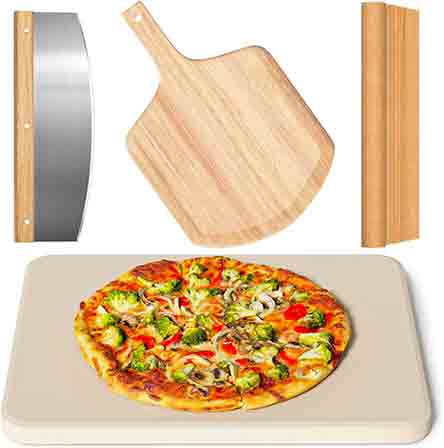
Or Try Making this Plum Kuchen Pizza on the Grill
It works well to cook the dough from the raw state on the grill
and then add the topping to finish it.
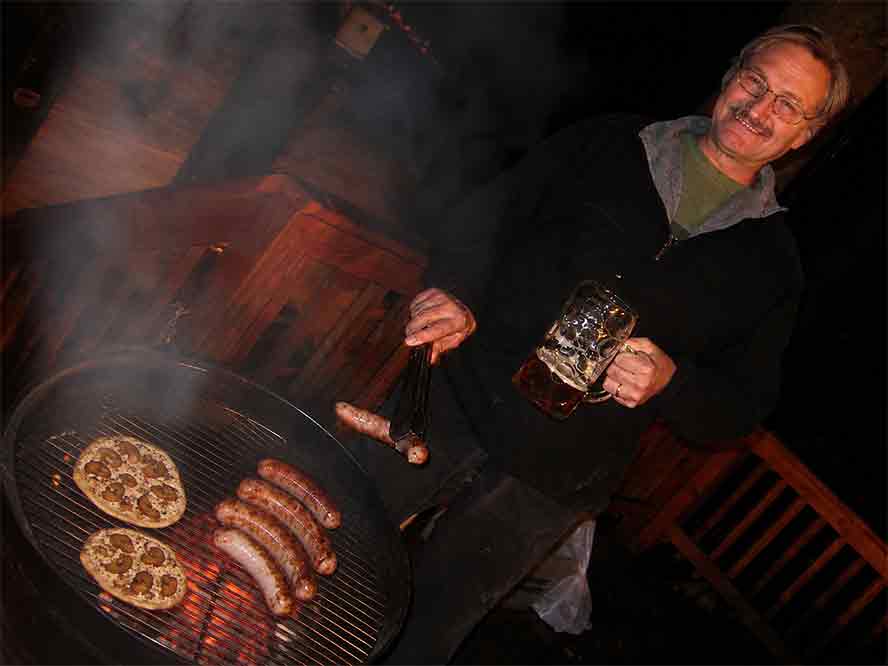
Such great memories of Plum Kuchen Pizza and Brats
in the evening of Big Bear Oktoberfest.
The Mystery of the City of Rungholt
Lost in the North Sea
Even the poets couldn't leave Rungholt alone.
In 1883, German poet Detlev von Liliencron wrote Trutz, blanke Hans, a dramatic poem about the North Sea and the vanished town of Rungholt. His words helped awaken new interest in the lost settlement, which had been swallowed by the sea centuries earlier.
And Rungholt isn't simply a legend. When the tide retreats across the Wadden Sea, archaeologists can still find pieces of the world that disappeared beneath it — pottery, wells, foundations, drainage ditches and even remnants of old buildings.
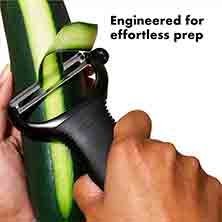
A simple but essential tool for asparagus season, this peeler removes the tough outer layer quickly and evenly, leaving the spears tender and ready for cooking. Especially useful when working with thicker asparagus, it makes a noticeable difference in texture.
Through modern technology we can enjoy music from Germany at the touch of your computer, there are many venues now, Pandora, Amazon music, and Youtube is free.
I love my noise canceling headphones that are completely wireless and give incredible sound!
over 2500 perfect reviews, it is a bit of an investment but worth every penny.
ROCK Mi
Orchestra Meets German Schlager
This Clip: Maestro Guido invited his friends of @voXXclub. This vocal group is a household name in Germany, Austria, and Switzerland. They perform worldwide more than 100 shows a year and many TV appearances. Next to the fact that they are great singers, they became also good friends with Guido and Wendy. For this concert he Maestro made a new arrangement of this vibrant German song.
A German Summer-ey Song
Goldried Quintett -
Mei Muata und mei Vota
Volksmusik Video Kunterbunter Streifzug durch die
Volksmusik Bekannte Interpreten der Letzten Ja
Folk Music Video: A Colorful Journey Through Folk Music -
Famous Performers of the Last Year
Volkstümliche Schlager Hitmix Bekannte Interpreten der Letzten Jahre
Popular Schlager Hitmix - Famous Artists of Recent Years
Some of my favorite music from the Zillertal Valley
Thisis a great half hour of good fun music for the season